Learn how to support healthy cervical mucus naturally with 7 evidence-based nutrition strategies to improve fertility

Healthy Cervical Mucus: Why It Matters for Fertility


Healthy cervical mucus is a key sign of fertility. But what exactly does that mean? And what if you are not seeing the slippery, egg-white type of cervical mucus everyone talks about?
 
This can feel confusing, especially if you are tracking ovulation and wondering whether your body is giving you the right signs.
 
The truth is, healthy cervical mucus plays an important role in helping sperm survive, move efficiently, and reach the egg. If cervical mucus is too thick, too dry, or too limited, it may make conception harder.
 
The good news is that nutrition and lifestyle factors can influence cervical mucus quality, and there are simple ways to support it naturally.

What Is Healthy Cervical Mucus?


Healthy cervical mucus is the type of mucus produced around ovulation that is:

  • Clear
  • Slippery
  • Stretchy
  • Similar to raw egg white

This is often called fertile-quality cervical mucus.

Healthy cervical mucus creates the ideal environment for sperm by:

  • Helping sperm survive longer
  • Protecting sperm from the vaginal environment
  • Supporting sperm transport toward the egg

Without healthy cervical mucus, sperm may have a harder time reaching the egg, even if ovulation is happening.

How Does Cervical Mucus Change During the Menstrual Cycle?


Cervical mucus changes in response to hormones throughout the cycle.
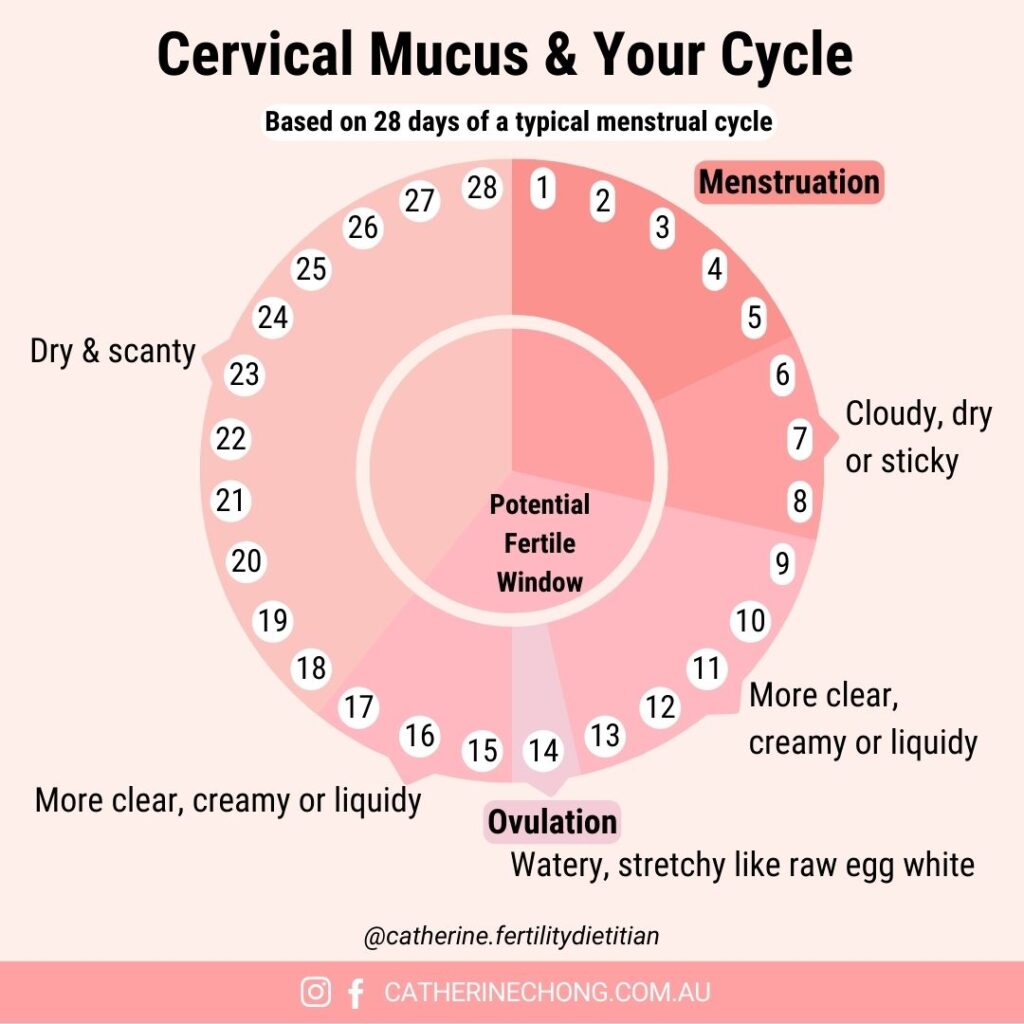
Cervical Mucus Fertility Tracking

Early in the cycle

Cervical mucus is usually minimal, thick, or sticky. At this stage, it is less supportive of sperm.

Leading up to ovulation

As estrogen rises, cervical mucus becomes more abundant, clear, and stretchy. This is when healthy cervical mucus is at its peak and fertility is highest.

After ovulation

Progesterone rises, and cervical mucus becomes thicker and less sperm-friendly again.

Understanding these changes can help you identify your fertile window with more confidence.

Why Might You Have Low or Poor-Quality Cervical Mucus?


There are several reasons why healthy cervical mucus may be lacking, including:
 
  • Dehydration
  • Low intake of key nutrients
  • Hormonal imbalances
  • Excess alcohol or caffeine
  • High stress levels
This does not automatically mean something is seriously wrong. But it may be a sign that your body needs more support.

7 Ways to Support Healthy Cervical Mucus Naturally


1. Increase Hydration

Healthy cervical mucus is made mostly of water. If you are dehydrated, mucus can become thicker and less abundant.

Aim for around 2 litres of water daily, adjusting for your climate, exercise, and individual needs.

This is one of the most important foundations for healthy cervical mucus.

2. Include Healthy Carbohydrates

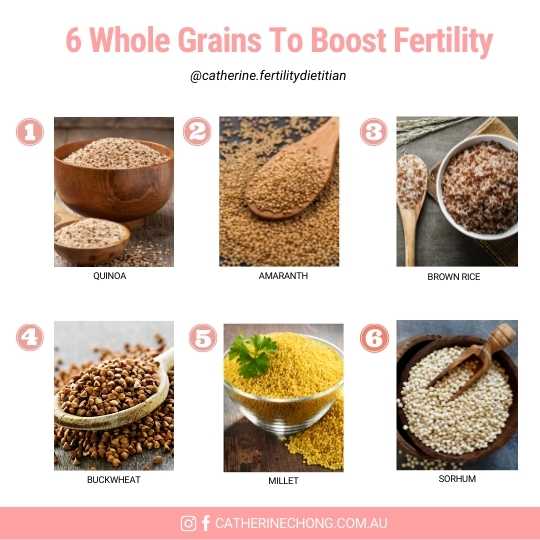
Fertility Whole Grains Rich Foods

Carbohydrates can help cervical mucus retain water, which supports a more fertile, sperm-friendly consistency. Include nourishing carbohydrate sources such as:
 
  • Rolled oats
  • Quinoa
  • Brown rice
  • Barley
  • Wholegrain bread
  • Wholegrain pasta
Overly restrictive low-carbohydrate diets may not support healthy cervical mucus well.

3. Increase Vitamin C


Vitamin C supports reproductive health through its antioxidant role and may help support healthy cervical mucus production. Food sources include:
 
  • Oranges
  • Kiwi fruit
  • Strawberries
  • Capsicum
  • Broccoli
  • Kale

4. Include More Vitamin E-Rich Foods


Fertility Vitamin E Rich Foods

Vitamin E may help support healthy cervical mucus by protecting cells from oxidative stress and supporting hormone balance. Include foods like:
 
  • Sunflower seeds
  • Almonds
  • Olive oil
  • Pine nuts
  • Eggs

5. Optimise Zinc Intake

Zinc plays an important role in regulating reproductive hormones, which can influence the production and quality of healthy cervical mucus. Zinc-rich foods include:
 
  • Oysters
  • Beef and lamb
  • Chicken and turkey
  • Pumpkin seeds
  • Cashews and almonds

6. Reduce Saturated and Processed Fats
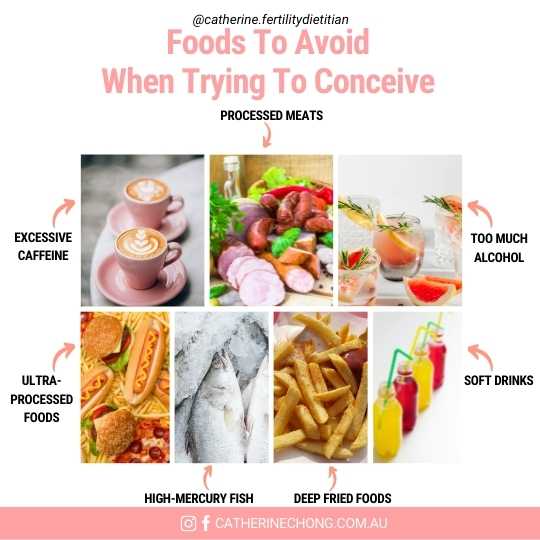
 

Foods To Avoid When Trying To Conceive

A diet high in saturated fat may increase inflammation and disrupt hormone balance, both of which can undermine healthy cervical mucus. Try to reduce intake of:
 
  • Processed meats
  • Deep-fried foods
  • Baked snack foods
  • Excess fatty takeaway foods
Focus more on healthy fats such as olive oil, avocado, nuts, seeds, and oily fish.

7. Limit Alcohol and Caffeine


Alcohol and caffeine can contribute to dehydration, which may reduce the volume and quality of healthy cervical mucus. A practical goal is to:
 
  • Keep caffeine below 200 mg per day
  • Limit alcohol intake
  • Drink enough water across the day

How Long Does It Take to Improve Healthy Cervical Mucus?


Healthy cervical mucus often improves gradually, not overnight. Depending on the cause, it may take 1 to 3 cycles to notice meaningful changes. This is why consistency with nutrition and hydration matters. Small changes repeated daily can make a real difference over time.

Healthy Cervical Mucus Is One Part of Fertility


Healthy cervical mucus is important, but it is only one part of the bigger picture. If you are trying to conceive, it is also important to support:


  • Ovulation
  • Egg quality
  • Hormone balance
  • Nutritional status
  • Overall cycle health


When these pieces are supported together, your body is in a much better position for conception.

Bottom Line

  1. Healthy cervical mucus helps sperm survive and move toward the egg
  2. Hydration, nutrition, and hormone balance all influence mucus quality
  3. Small, consistent changes can help support healthy cervical mucus naturally over time

Ready for a clear, personalised fertility nutrition plan before your next step? Book a session with me now.

Disclaimer:
The information in this blog is for educational purposes only and is not a substitute for professional medical advice. It is not intended to diagnose, treat or prevent any health condition. Always consult a qualified healthcare provider before changing your diet, medications, supplements, or treatment plan. Pristine Fertility is not liable for any actions taken based on this information.

Scroll to Top