Learn how to increase progesterone naturally with evidence-based nutrition strategies to support ovulation, implantation, and a healthy pregnancy.

How to Increase Progesterone to Support Pregnancy


If you’ve been trying to conceive, you may have come across the term progesterone and wondered:
 
“Do I have enough?”
“Could this be why implantation isn’t happening?”
 
Progesterone is often called the “pregnancy hormone”, and for good reason. It plays a critical role after ovulation, helping to prepare your body for implantation and support early pregnancy.

Why Progesterone Is Important for Fertility


Progesterone rises after ovulation during the luteal phase of your cycle.
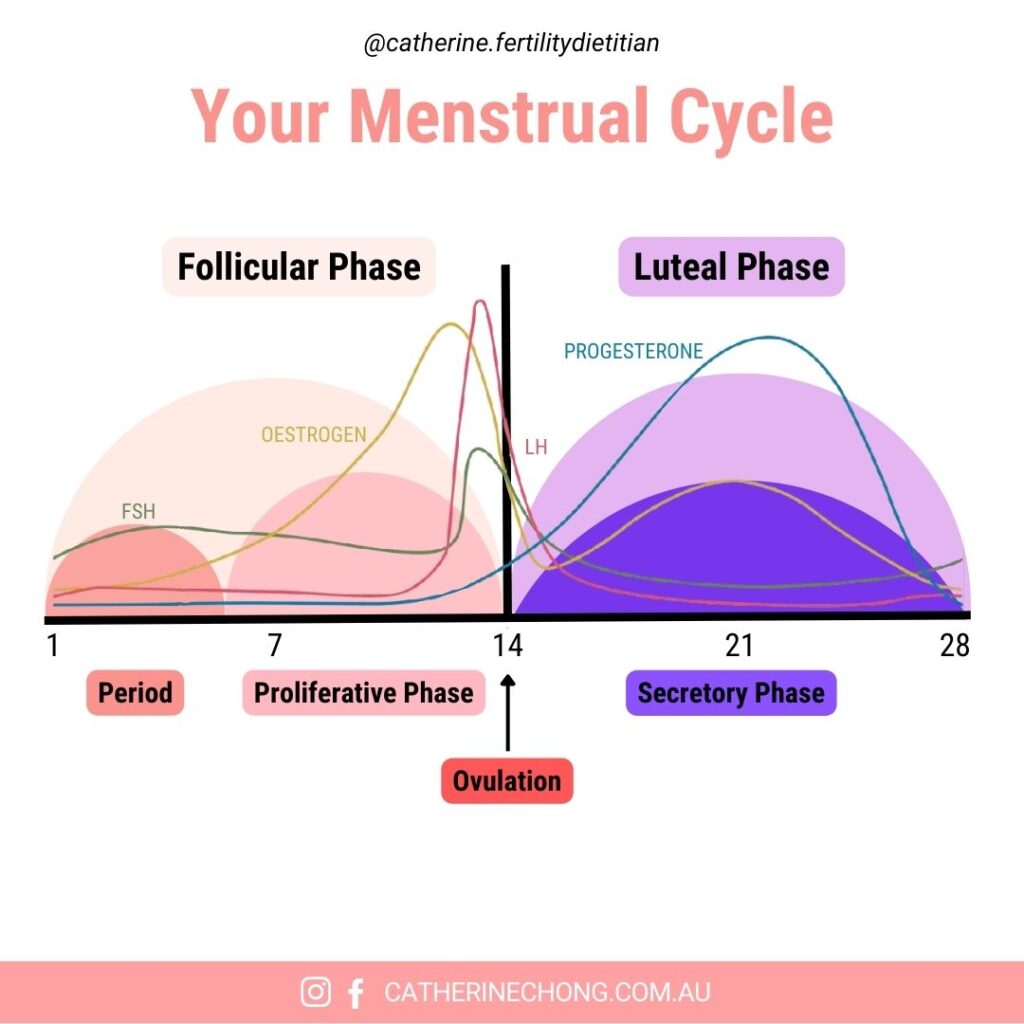
 

How To Increase Progesterone

Its role is to:
  • Thicken the uterine lining for implantation
  • Support early embryo development
  • Stabilise the pregnancy in the early weeks
Without adequate progesterone, implantation may be less likely to occur or be sustained.

Signs You May Need to Increase Progesterone


Some women experience:

  • Short luteal phase
  • Spotting before your period
  • Irregular cycles
  • Difficulty conceiving
  • Recurrent early pregnancy loss

If this sounds familiar, it’s important to work with your doctor for proper testing and diagnosis.

How to Increase Progesterone Naturally


Here are three key, evidence-based strategies to support progesterone production.

1. Optimise Zinc for Hormonal Balance
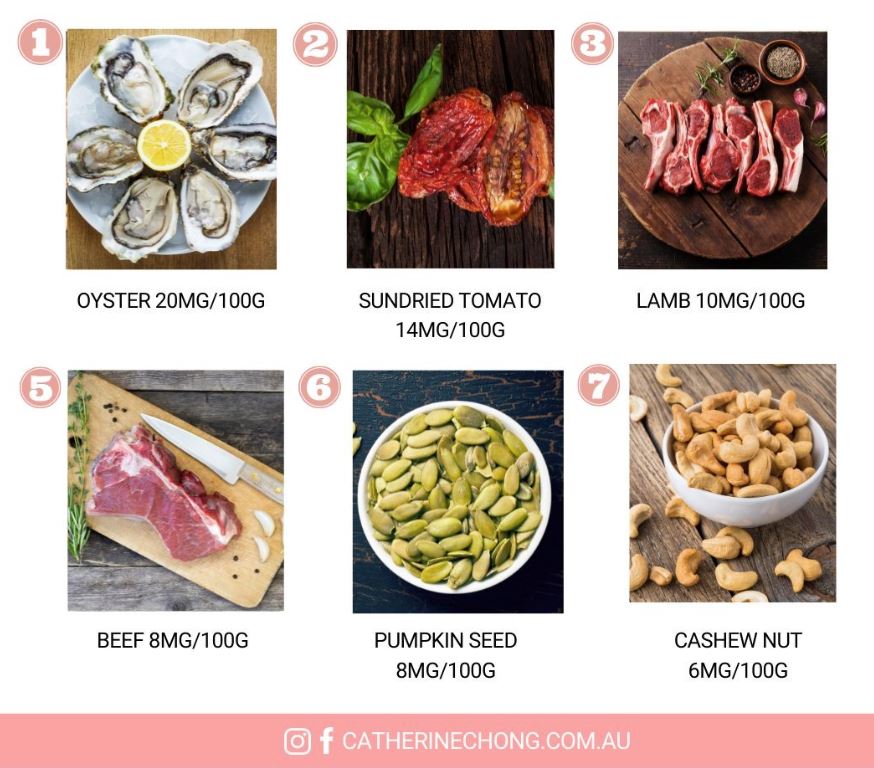
 

Zinc Rich Foods

Zinc plays a critical role in hormone regulation, including progesterone. It supports:

  • Hormone signalling
  • Ovulation
  • Progesterone production pathways

Low zinc status may affect how your body responds to reproductive hormones. Food sources of zinc:

  • Oysters
  • Beef and lamb
  • Pumpkin seeds
  • Lentils
  • Nuts and seeds

Before supplementing, it’s important to assess your levels, as excessive zinc can interfere with other nutrients, such as copper.

2. Improve Iron Status to Support Ovulation and Hormones


Iron is often overlooked, but it plays an important role in supporting progesterone. Iron helps:
 
  • Deliver oxygen to the ovaries and uterus
  • Support hormone-producing enzymes
  • Maintain regular ovulation
Low iron levels may contribute to:
  • Fatigue
  • Irregular cycles
  • Suboptimal hormone production
Iron-rich foods include:
  • Lean red meat
  • Lentils and legumes
  • Spinach and leafy greens
  • Iron-fortified foods
Regular testing (such as ferritin levels) can help guide whether supplementation is needed.

3. Support Blood Flow to the Corpus Luteum
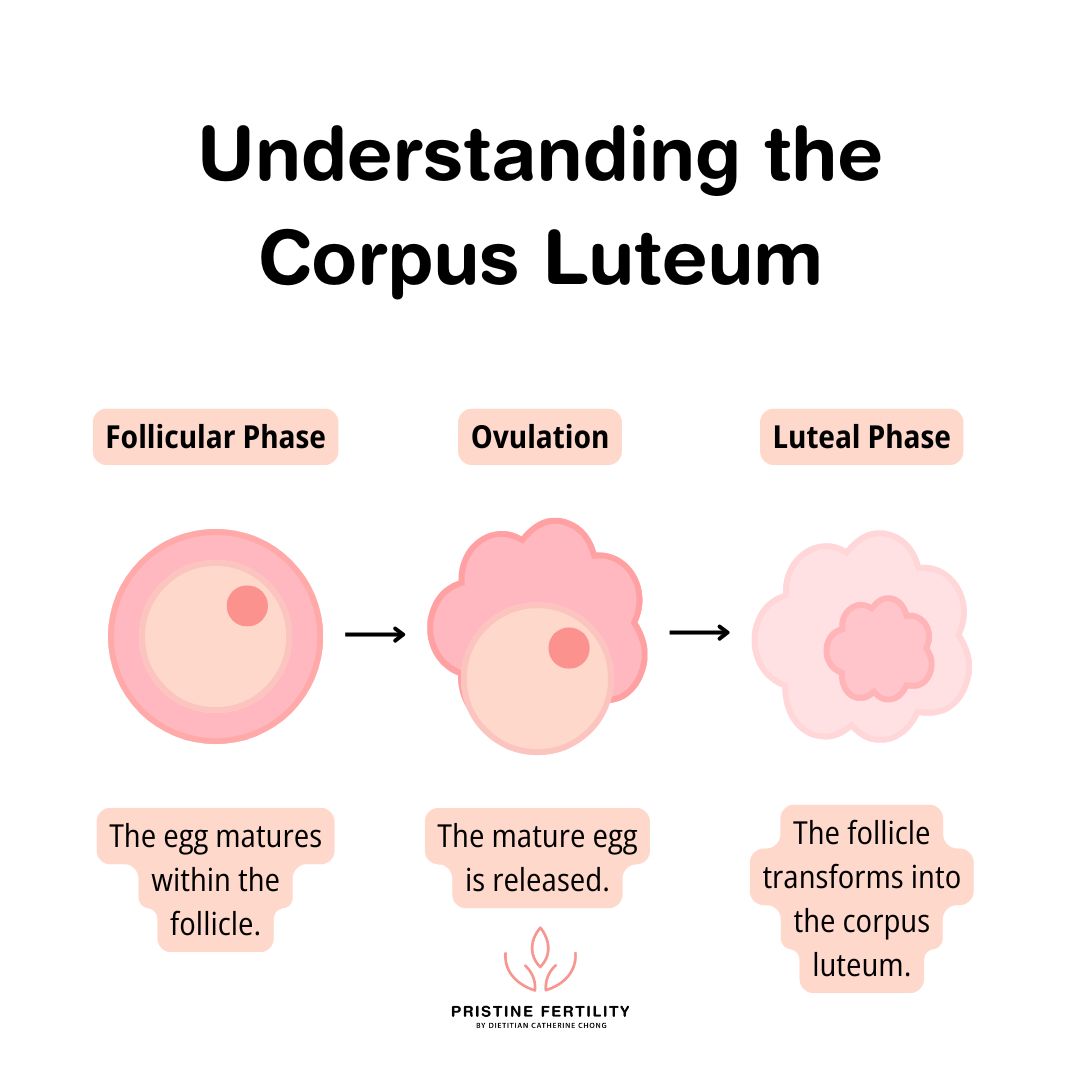
Understanding the Corpus Luteum

After ovulation, the corpus luteum produces progesterone. For this process to work well, adequate blood flow is essential to support:
 
  • Delivery of nutrients
  • Hormone production
  • Transport of progesterone into circulation
Emerging research suggests that improving blood flow may support progesterone levels.
Nutrients involved include:
 
  • Vitamin E
  • L-arginine
These may help improve circulation to the reproductive organs, particularly in women with luteal phase concerns. However, supplementation should always be guided by a healthcare professional.

How Long Does It Take to Increase Progesterone?


Progesterone is closely linked to ovulation and overall cycle health. This means improvements typically occur over 2 to 3 cycles.

This aligns with the time needed to:

  • Support ovulation
  • Improve egg development
  • Strengthen hormonal signalling

Consistency is more important than doing everything perfectly.

Progesterone Is a Reflection of Ovulation Health


One of the most important things to understand is this: progesterone does not act in isolation. It reflects:
 
  • Ovulation regularity
  • Hormonal balance
  • Nutritional status
  • Metabolic health
This is why simply addressing the progesterone hormone alone without addressing the underlying factors may not lead to lasting improvements.

Supporting Progesterone Holistically

Beyond nutrients, progesterone is supported by:
 
  • Stable blood sugar levels
  • Adequate calorie intake
  • Stress management
  • Quality sleep
  • Reducing excessive exercise
These foundations help create the conditions your body needs to produce progesterone naturally.

Bottom Line


  1. Progesterone is essential for implantation and early pregnancy support.
  2. Nutrients like zinc and iron play key roles in hormone production.
  3. Supporting ovulation and blood flow can help improve progesterone levels naturally.

Ready for a clear, personalised fertility nutrition plan before your next step? Book a session with me now.

Disclaimer:
The information in this blog is for educational purposes only and is not a substitute for professional medical advice. It is not intended to diagnose, treat or prevent any health condition. Always consult a qualified healthcare provider before changing your diet, medications, supplements, or treatment plan. Pristine Fertility is not liable for any actions taken based on this information.

Scroll to Top