How the Mediterranean Diet for Fertility Works
If you’ve been trying to conceive and wondering what more you can do to improve your chances, research shows that the Mediterranean diet for fertility can make a significant difference.
This evidence-based approach to eating, rich in colourful vegetables, whole grains, legumes, extra-virgin olive oil, and omega-3 fatty acids, supports hormone balance, reduces inflammation, and improves both egg and sperm quality.
In this guide, you’ll learn:
- The seven key Mediterranean foods that boost fertility
- How this diet supports egg health and IVF success
- Why your partner’s diet matters as much
This isn’t about restriction. It’s about strategic nourishment backed by science.
1. Extra Virgin Olive Oil
Extra virgin olive oil (EVOO) is the foundation of the Mediterranean diet for fertility. Its polyphenols act as natural anti-inflammatory compounds, helping to stabilise hormones and support ovulation.
Healthy monounsaturated fats in olive oil also enhance insulin sensitivity, which is crucial for maintaining regular cycles and egg quality.
Quick Tips:
- Use 1–2 tablespoons daily for cooking or salad dressings.
- Choose cold-pressed, dark-bottle EVOO for maximum freshness.
2. Fatty Fish Rich in Omega-3s
Salmon, sardines, and mackerel are rich in omega-3 fatty acids (EPA and DHA), which are vital for egg and embryo quality.
Studies show that women following a Mediterranean diet for fertility with higher omega-3 intake have improved IVF success rates and embryo quality.
For men, omega-3s enhance sperm membrane fluidity, motility, and fertilisation potential.
Quick Tips:
- Eat 2–3 servings of oily fish weekly.
- Opt for wild-caught or low-mercury oily fish varieties, such as Atlantic salmon, mackerel, sardines, and herrings.
3. Leafy Greens and Colourful Vegetables
Spinach, kale, broccoli, tomatoes, and capsicum are antioxidant-rich vegetables that help protect eggs and sperm from oxidative stress. A key factor affecting DNA integrity.
Folate in leafy greens supports healthy ovulation and early cell development, making it a critical part of the Mediterranean diet for fertility. Adequate folate intake before conception is associated with improved egg quality and regular ovulation.
Quick Tips:
- Fill half your plate with colourful vegetables at each meal.
- Combine vegetables with lean animal or plant-based protein and healthy grains for a complete and balanced meal.
4. Whole Grains
Refined carbohydrates can spike insulin levels, disrupting hormone balance. Whole grains, such as quinoa, brown rice, rolled oats, and whole-grain bread, provide fibre and B vitamins that support stable blood sugar levels and ovulation.
Women who follow a Mediterranean diet for fertility, rich in whole grains, have a lower risk of ovulatory infertility compared with those who eat more refined carbs.
Quick Tips:
- Choose black rice or quinoa instead of white rice
- Include oats or whole-grain toast at breakfast.
5. Legumes and Plant-Based Proteins
Lentils, chickpeas, and beans provide plant-based protein, fibre, iron, and zinc — all vital for reproductive health.
A landmark Harvard study found that replacing one daily serving of red meat with plant-based protein was associated with a 50% lower risk of ovulatory infertility.
Adding legumes is one of the easiest ways to apply the Mediterranean diet for fertility in everyday meals.
Quick Tips:
- Add lentils or chickpeas to soups, salads, or stews for a nutritious addition.
- Aim to include them in your meals 2–3 times per week for optimal fertility support.
6. Nuts and Seeds
Nuts and seeds are small but mighty fertility boosters.
Walnuts, almonds, chia, and pumpkin seeds provide omega-3s, vitamin E, selenium, and zinc—nutrients shown to improve sperm motility and protect egg cells from DNA damage.
In a 12-week study, men who consumed 75 grams of walnuts daily experienced significant improvements in sperm count and quality.
Quick Tips:
- Enjoy a small handful, which is approximately ~30 grams or ⅓ cup, daily.
- Sprinkle on yoghurt, porridge, or salads.
7. Avocados
Avocados are rich in monounsaturated fats, folate, and vitamin E. All are essential for hormone production.
These healthy fats help your body produce the optimal levels of oestrogen and progesterone needed for conception and implantation.
Interesting Fact:
Although avocados are technically a fruit, they count as a vegetable serving under the Australian Dietary Guidelines because their nutrient profile is closer to that of vegetables.
They’re lower in sugar and higher in healthy fats and fibre, making them an excellent choice for balancing blood sugar and supporting fertility hormones.
Quick Tips:
- Add half an avocado to toast or salads.
- Blend into smoothies for a creamy texture.
What’s Science Behind the Mediterranean Diet for Fertility
1. Reduces Inflammation

The Western diet’s high intake of processed foods promotes inflammation that can interfere with ovulation. The Mediterranean diet for fertility helps reduce inflammation through the consumption of olive oil, omega-3 fatty acids, and antioxidants, thereby creating a more balanced hormonal environment.
2. Protects Eggs and Sperm from Oxidative Stress

Eggs mature over about 90 days before ovulation, making them susceptible to oxidative damage. The antioxidants in Mediterranean fertility foods protect the DNA of eggs and sperm, improving embryo quality and increasing implantation success.
3. Regulates Blood Sugar and Hormones

Fibre from vegetables, legumes, and whole grains helps stabilise insulin, which is a key factor in consistent ovulation and hormone regulation.
Does the Mediterranean Diet for Fertility Help Men Too?
Absolutely! Studies show that men who follow a Mediterranean diet for fertility have higher sperm counts, improved motility, and better morphology.
Nutrients such as omega-3s, zinc, and selenium enhance sperm quality and DNA integrity, benefits that can improve fertilisation and pregnancy outcomes.
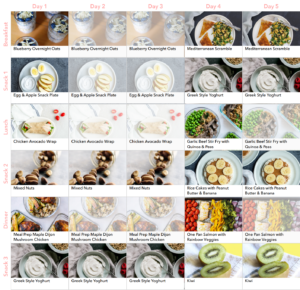
Example Mediterranean Fertility Meal Plan
- Breakfast: Whole-grain toast with avocado and eggs, drizzled with olive oil
- Lunch: Quinoa salad with chickpeas, spinach, tomatoes, and feta
- Dinner: Grilled salmon with roasted vegetables and brown rice
- Snack: Handful of walnuts, yoghurt and berries
The Bottom Line
The Mediterranean diet for fertility is one of the most effective, evidence-based dietary patterns for achieving natural conception and supporting fertility alongside IVF.
To recap:
- Use extra virgin olive oil daily
- Eat low-mercury oily fish twice weekly.
- Fill half your plate with colourful vegetables.
- Swap refined carbs for wholegrains.
- Add legumes, nuts, and seeds to your diet on a regular basis.
- Include avocados for healthy fats.
- Encourage your partner to follow the same approach.
Ready to take the next step?

Download our Free 7-Day Fertility Meal Plan here. A practical Mediterranean-style guide to nourish your egg health, balance hormones, and prepare your body for pregnancy success.