
Why IVF Nutrition Matters More Than You Think
IVF is not just a medical procedure. It is a biological stress test on the body. Hormonal stimulation, egg retrieval, embryo development, and implantation all depend on how well your body is metabolically and nutritionally resourced.
When nutrition, inflammation, micronutrients, or oxidative stress are not addressed, IVF outcomes often plateau even with repeated cycles.
The 90-day egg and sperm optimisation window before IVF
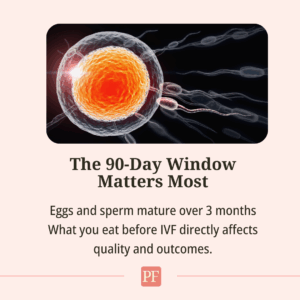
Eggs and sperm take approximately three months to mature. That means the 90 days before egg collection and sperm production are where nutrition, supplements, and lifestyle changes can still influence outcomes.
This window is where IVF nutrition matters most.
IVF Nutrition Step 1: The Pro-Fertility Diet That Supports IVF Success
The healthy eating trap women fall into before IVF
Many clients tell me, “I already eat clean.”
But clean eating is not the same as eating for IVF success.
Before IVF, I often see:
- Under-eating calories or protein
- Low intake of healthy fats
- Over-restriction of carbohydrates
- Insufficient antioxidants and omega-3s
These gaps matter because IVF is an inflammatory process, and eggs are highly sensitive to oxidative stress.
Mediterranean diet for IVF and why it supports egg quality and implantation
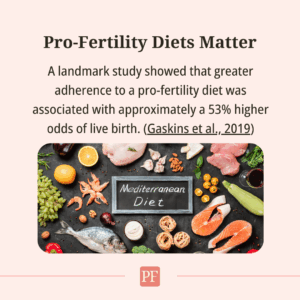
A Mediterranean-style or “pro-fertility” diet is one of the most studied dietary patterns in assisted reproduction.
A landmark study showed that greater adherence to a pro-fertility diet was associated with approximately a 53% higher odds of live birth per standard deviation increase in adherence (Gaskins et al., 2019).
IVF diet foundations: protein, omega-3, whole grains, antioxidants
A fertility-focused IVF diet prioritises:
- Adequate protein at every meal
- Omega-3 fats from seafood, olive oil, nuts, and seeds
- Whole grains for metabolic and hormonal stability
- Colourful vegetables for antioxidant protection
Simple IVF meal planning tips for the next 12 weeks
- Aim for protein at every meal and snack
- Include oily fish twice weekly
- Build meals around vegetables, not just carbohydrates
- Avoid aggressive calorie restriction during IVF prep
IVF Nutrition Step 2: The Blood Test Audit Normal vs Optimal for IVF
Why normal blood results can still mean suboptimal for IVF
Many women are told their blood tests are “normal.” But normal is not the same as optimal for IVF.
Reference ranges are designed to detect disease, not to optimise fertility, egg quality, or implantation.
Vitamin D for IVF: what to test and why it matters
Vitamin D is one of the most overlooked yet essential nutrients in IVF preparation.
A systematic review and meta-analysis found that women undergoing assisted reproductive treatment who were vitamin D replete had higher live birth rates compared with women who were deficient or insufficient (Chu et al., 2018)
Vitamin D acts more like a hormone than a vitamin and plays a role in:
- Egg maturation
- Endometrial receptivity
- Immune modulation during implantation
Newer data also show that vitamin D sufficiency is associated with higher antral follicle count (AFC), higher AMH, and improved clinical pregnancy rates, reinforcing its predictive value for treatment success (Jiang et al., 2025).
The essential IVF prep labs to review before egg collection
In my practice, an IVF nutrition audit often includes:
- Vitamin D
- Iron and ferritin
- Thyroid markers
- Vitamin B12 and folate
- Blood sugar regulation
When to do IVF blood tests: ideally, 3 months before your cycle
Testing ideally occurs at least three months before stimulation, giving time to correct deficiencies before eggs are recruited.
If you’re unsure what to test, you can download my free IVF Prep Lab Checklist to take to your doctor here.
IVF Nutrition Step 3: A Personalised IVF Supplement Plan
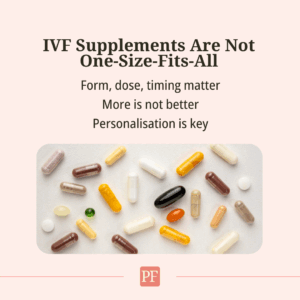
Stop the scattergun supplement approach
Many individuals are taking supplements because:
- An influencer recommended them
- They have read a book
- A friend used them
- They’re “good for fertility”
But more supplements do not necessarily lead to better outcomes.
CoQ10 for egg quality: form and dose matter
CoQ10 is one of the most researched supplements for egg quality, but:
- The form matters
- The dose matters
- Timing matters
Too little may be ineffective. Too much may be unnecessary.
Methylation, blood flow, and antioxidant support: what to consider
Egg quality is influenced by:
- Mitochondrial energy production
- Antioxidant status
- Blood flow to the ovaries
- Methylation pathways
These need to be assessed and supported together, not in isolation.
Why advanced testing can help personalise IVF supplements
Targeted testing allows supplements to be:
- Personalised
- Cost-effective
- Clinically relevant
This avoids over-supplementation and missed deficiencies.
The Hidden Pillar: Sperm Health and DNA Fragmentation in IVF
Why IVF is a two-person puzzle
IVF outcomes are never just about one partner. While much of the focus is placed on egg quality, sperm contributes half of the genetic material required to form a healthy embryo.
When sperm health is compromised, even high-quality eggs may not develop as expected.
This is why addressing both partners is essential, particularly after failed IVF cycles or recurrent miscarriage.
How sperm DNA fragmentation affects embryo development
Sperm DNA fragmentation refers to damage within the genetic material of the sperm. When fragmentation levels are elevated, fertilisation can still occur, but embryo development may be compromised later.
High sperm DNA fragmentation has been associated with:
- Poor embryo development
- Failure of embryos to progress to the blastocyst stage
- Increased risk of implantation failure and miscarriage
In these cases, embryos may appear to fertilise normally, but arrest during development once the sperm DNA becomes more critical to ongoing cell division.
Why optimising sperm health and nutrition before IVF is critical
Sperm DNA fragmentation is not fixed. It is strongly influenced by modifiable factors, particularly in the three months before IVF.
Key contributors include:
- Oxidative stress
- Smoking and vaping
- Alcohol intake
- Poor metabolic health, including insulin resistance and obesity
This is where targeted sperm nutrition becomes essential. Antioxidants, adequate protein, omega-3 fats, micronutrients, and metabolic support all play a role in protecting sperm DNA and supporting healthy embryo development.
In many failed IVF cycles, male nutrition and lifestyle support have been overlooked, despite being a critical piece of the IVF success puzzle. Optimising sperm and egg health ensures both are addressed before the next cycle.
